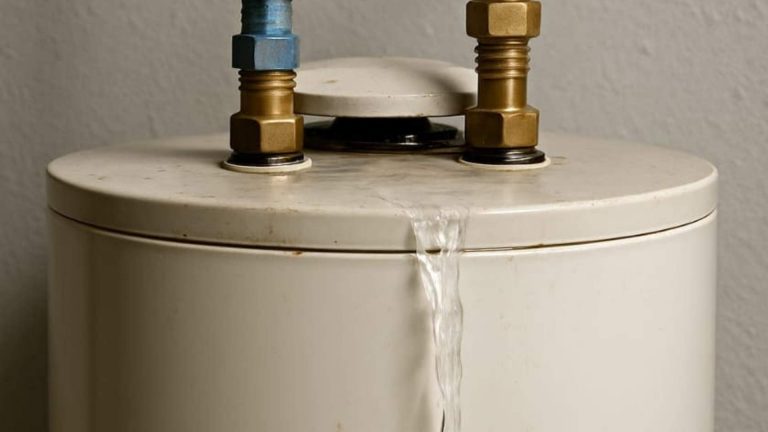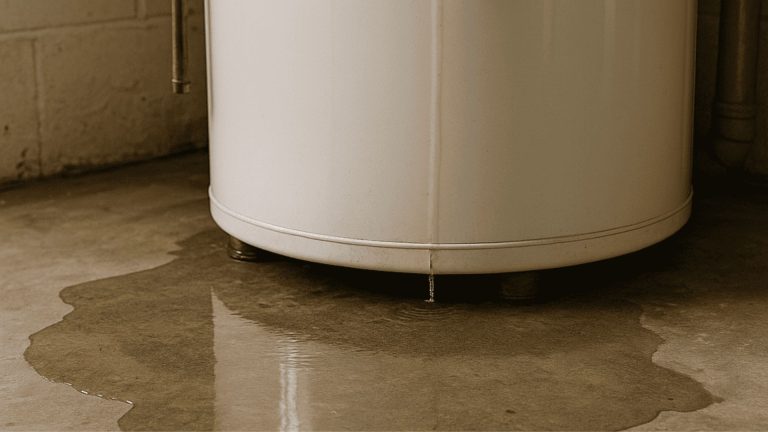
How to Test Water Heater Element. Complete Guide for Homeowners
Introduction
Unexpectedly, you have no hot water. This is a common problem. The problem is often not the whole unit, but rather a failed element. Understanding how to test water heater element allows homeowners to diagnose issues accurately and avoid unnecessary repairs.
This guide is for homeowners who are looking for clear, honest and practical instructions. It is not necessary to have a technical background. Just pay attention to the safety and steps.
How heating elements work
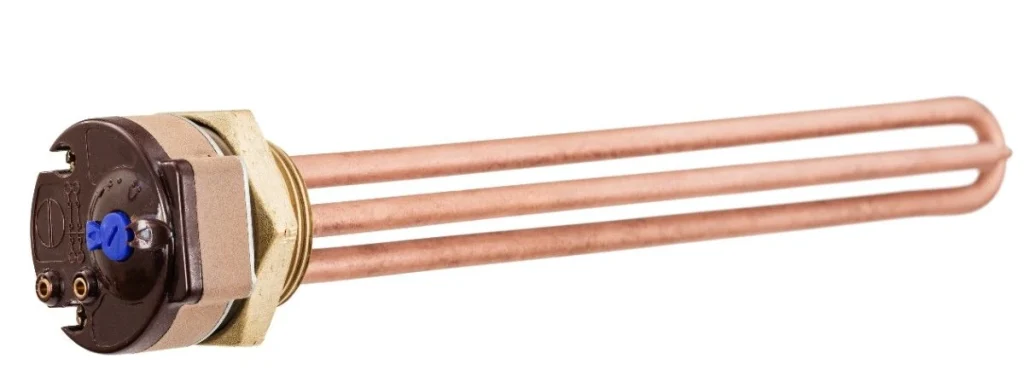
The majority of residential water heaters use electricity to warm the water in a tank. In an electric heater, one or two heat elements are used to convert electrical energy into warmth.
The following are key components:
- The element of the water heater that heats the water
- The thermostat controls the temperature
- A Circuit Breaker that protects and supplies power
- Electrical wire connections
Your water heater could stop working if one of its components fails.
Common signs of a bad water heater element
If you notice any of the following:
- There is no hot water whatsoever
- Temperature fluctuations of water
- Heat water too slowly
- Circuit breakers trip repeatedly
- There is only a limited amount of hot water available
These symptoms are often caused by a broken heating element and not a complete system failure.
Safety and Tools
Tools Required
- Multimeter
- Screwdriver
- Safety gloves
- Voltage tester
Safety Measures
- Turn off the power at the breakers
- Check that the circuit breaker is not on.
- When energized, never touch any exposed wire connection.
Safety is the priority when using electric water heating.
How To Test Water Heater Element (Step by Step)
Step 2: Disconnect the Breaker
Turn off the circuit breaker for your water heater. This will eliminate any electrical risks.
Step 2: Access the Heating Element
Remove the access panel from the tank. Remove the insulation and protective cover to reveal the element of your water heater and thermostat.
Step 3 – Disconnect the wires
Disconnect the wires carefully from the terminals. This ensures that the test is accurate and prevents false results.
Step 5: Use a multimeter
Set your Multimeter to resistance (O).
- One probe per terminal
- The value is displayed.
The resistance of a heater is usually between 10 and 30 ohms, depending on the wattage.
The resistance of a heater is usually between 10 and 30 ohms, depending on the wattage.
Understanding Ohm Readings
The word “meaning” is used to describe the meaning of the phrase
| Reading | Meaning |
|---|---|
| 10–30 ohms | Element is working |
| 0 ohms | Element is shorted |
| Infinite / OL | Element is burned out |
Upper vs Lower Heating Element
The majority of tank-style heaters are composed of two parts:
- The upper element heats the water first
- The lower element maintains the overall temperature
You may only get a limited amount of hot water if the lower fails. However, it will be used up quickly.
Avoiding Common Testing Mistakes
- The breaker is not shutting off
- Test without disconnecting the Wire
- The wrong setting on the Multimeter
- Ignoring thermostat problems
The thermostat may also be faulty and cause the heating element to fail.
Replace your heating element.
Replace the element of your water heater if you:
- Resistance readings outside the normal range
- The metal shows signs of corrosion or damage
- After testing, the water doesn’t heat up
It is usually cheaper to replace an individual component than the entire unit.
Important Note
Stop immediately if your breaker keeps tripping after the test. This could indicate that there is a more serious electrical problem that requires professional assistance.
Frequently Answered Questions (FAQs).
1. How often should a water heater be tested?
Only when there are hot water problems or during routine maintenance.
2. Can a thermostat be the cause of heating problems?
A bad thermostat may prevent the heating element from activating.
3. Can homeowners safely test the water heater element themselves?
If you follow safety precautions and shut off the power.
4. What setting on the Multimeter should I use?
Use the ohm resistance setting.
5. What causes my water heater to stop producing hot water suddenly?
Common causes include a failed heating element or thermostat, as well as tripped breakers.
Conclusion
How To Test Water Heater Element? You can use a Multimeter to determine if your Water Heaters require simple repairs or a more thorough inspection. Regular testing will improve performance, provide reliable Hot Water and prolong the life of your system.
Continue Reading
Share, Like and Subscribe
Share this guide with those who depend on their water heater every day. Subscribe to receive more practical and straightforward home heating guides.